

Visit Us At Our Other Location While We Are Remodeling!
Same GREAT Doctor, Team and Services. Visit us at Pleasure Ridge Park Dentistry

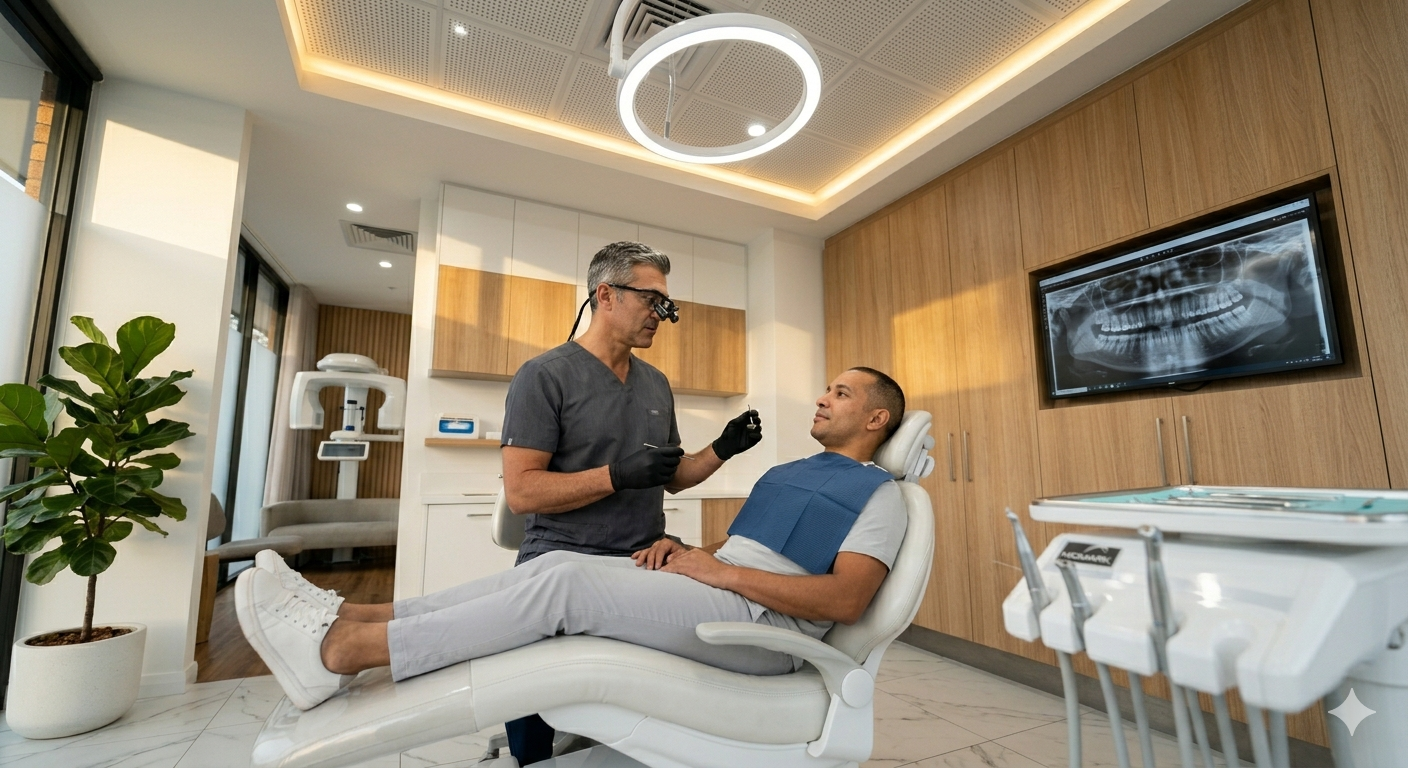
You want affordable dental care in Louisville without sacrificing quality, and this article shows how to find it and what to expect. You can access budget-friendly options—from sliding-scale clinics to payment plans and preventive care—that keep costs low while protecting your smile.
They explain common affordable treatments, insurance and payment strategies, and how to choose a local practice that fits your needs and comfort level. They also guide you through simple, everyday steps that prevent expensive procedures later, making it easier to start a healthier, more affordable dental routine.
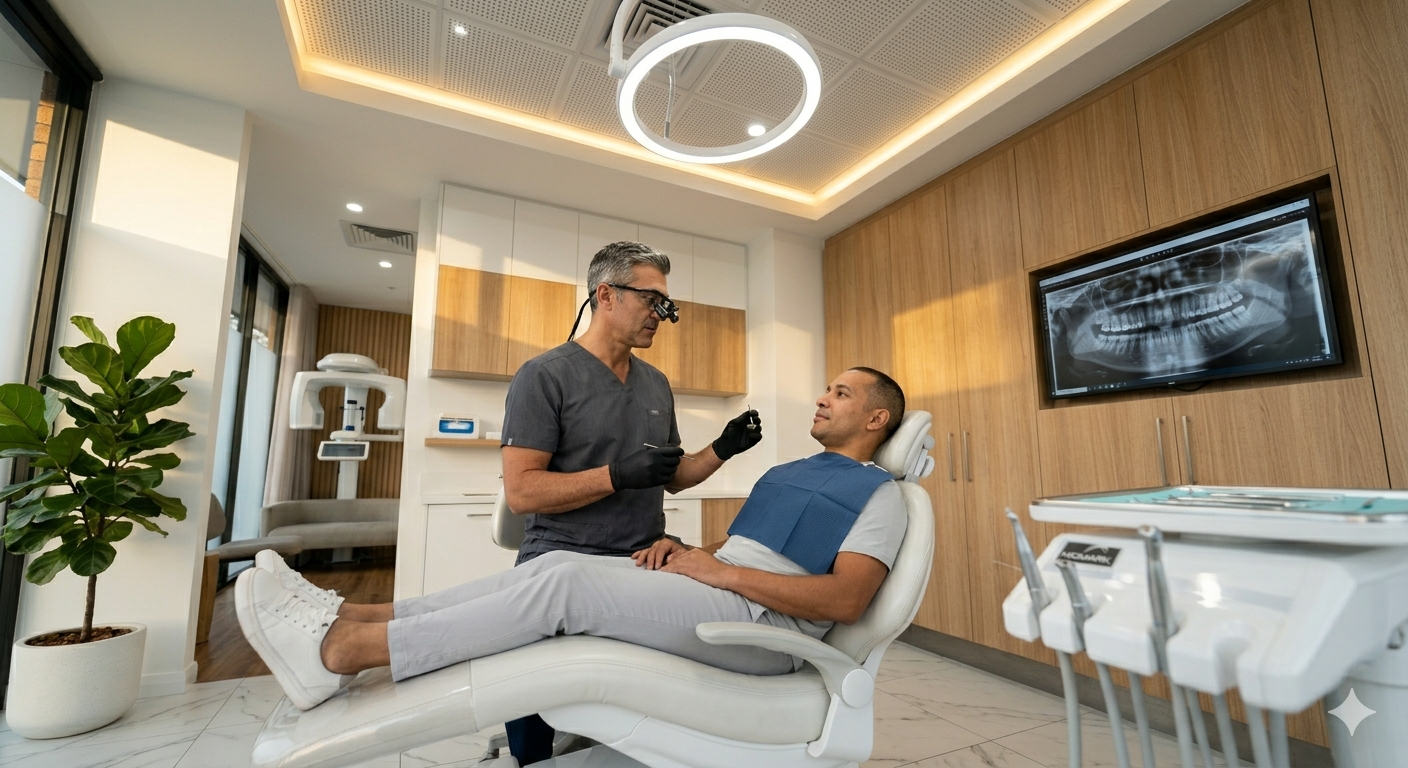
Patients should expect clear guidance on common conditions, warning signs, and the value of regular exams. This section explains typical problems in Louisville, when to seek prompt care, and why routine checkups prevent larger bills and discomfort.
Many adults in Louisville report cavities, gum disease, and tooth sensitivity as the most frequent problems. Cavities often appear on molars and between teeth where food gets trapped; low-income households and limited dental insurance increase untreated decay rates.
Gum disease ranges from gingivitis (red, swollen gums that bleed) to periodontitis (receding gums and bone loss). Smokers and people with uncontrolled diabetes face higher risk.
Tooth sensitivity arises from enamel loss, exposed roots, or aggressive brushing. Bruxism (teeth grinding) causes wear and fractures; stress and sleep issues are common contributors.
Cosmetic concerns—staining from coffee, tobacco, or medications—drive many to seek affordable whitening or veneers. Local clinics often offer sliding-scale care, dental schools provide supervised treatment, and community health centers supply preventive services.
Persistent pain that lasts more than two days or pain that wakes a person at night usually indicates infection or a deep cavity and warrants prompt evaluation. Severe swelling of the face or jaw, difficulty breathing or swallowing, and fever are red flags for emergency care.
Bleeding gums during brushing or flossing more than occasionally suggest gingivitis or worse; early treatment reverses damage. Loose teeth in an adult, persistent bad breath despite good hygiene, or visible pus near a tooth point to periodontal disease or abscess.
Other signs include a new bite change, sensitivity to hot/cold that lingers after stimulus removal, and nonhealing sores in the mouth. These can indicate cracked teeth, root problems, or oral lesions needing biopsy.
When in doubt, visiting a dentist for a focused exam and X-rays prevents small issues from becoming costly, invasive treatments.
Routine exams every six months help dentists detect decay, gum inflammation, and early oral cancer signs before symptoms start. Cleanings remove tartar that brushing can’t, reducing gum inflammation and lowering the risk of tooth loss.
Digital X-rays and intraoral scans catch hidden cavities, bone loss, and developing cysts. Dentists can then recommend targeted, often less expensive treatments like fillings, sealants, or topical fluoride.
Preventive visits also allow personalized advice: correct brushing and flossing techniques, dietary adjustments to reduce acid and sugar exposure, and options for tobacco cessation support.
Many Louisville clinics coordinate payment plans, sliding scales, or Medicaid acceptance to make regular care accessible; scheduling routine visits often reduces overall lifetime dental costs and improves comfort.
Affordable dental care depends on predictable pricing, available financial assistance, and choosing the right clinic for the needed service. Clear estimates, transparent fees, and preventive care options often lower what patients pay over time.
Location and overhead affect prices; clinics in central Louisville neighborhoods or near major hospitals often charge more due to rent and staffing costs. Provider experience and specialty matter: a general dentist charges less than an endodontist or oral surgeon for comparable procedures.
Materials and technology influence fees: porcelain crowns, ceramic implants, and same-day CAD/CAM restorations cost more than amalgam or basic composite work. Lab fees and outsourced prosthetics add to total charges.
Procedure complexity drives price—simple fillings cost far less than root canals or full-mouth reconstructions. Patient health and preexisting conditions can require extra appointments or imaging, increasing cost.
Insurance coverage, Medicaid expansion, and sliding-scale clinics directly lower out-of-pocket expenses. Community dental schools and nonprofit clinics in Louisville often offer reduced rates because students or grant funding offset fees.
Request a written breakdown for each treatment: include exam, X-rays, materials, lab work, anesthesia, and follow-up visits. Compare itemized estimates from at least three providers to identify where costs differ.
Assess provider qualifications, warranty on work, and included follow-up care—not just the bottom-line price. A slightly higher fee with a multi-year crown warranty and emergency care included can be better value than a cheaper, no-warranty option.
Check procedure averages using local resources such as Kentucky dental associations or online price guides to confirm estimates are reasonable. Read patient reviews for reliability and complication rates; lower complication rates often mean fewer costly repeat visits.
Verify insurance benefits, in-network discounts, and eligibility for dental savings plans. Calculate the net cost after discounts and expected copays to compare apples to apples.
Start with a preventive baseline: routine exams and cleanings reduce the likelihood of expensive restorative work later. Ask the clinic for a phased treatment plan showing cost per phase and timelines.
Get pre-treatment estimates for all expected procedures and an authorization or pre-approval from the insurer when possible. Include likely ancillary costs—X-rays, CBCT scans, temporaries, and lab shipping—so the estimate matches the final bill.
Use a checklist to calculate out-of-pocket: estimate = (provider fee − insurance coverage) + lab fees + anesthesia + follow-up visits. Consider financing options: in-house payment plans, CareCredit, or community health grants can spread costs without high interest.
Confirm cancellation and no-show policies to avoid unexpected charges. If price is a barrier, ask about lower-cost material options or staged care that prioritizes urgent needs first.
Affordable dental care in Louisville covers routine prevention, basic repairs, and esthetic fixes that won’t break the bank. Clinics and community programs often combine sliding fees, insurance acceptance, and low-cost materials to keep prices manageable.
Routine exams, X-rays, and cleanings form the backbone of low-cost dental care. Many clinics offer exam + cleaning packages for a single reduced fee, and community health centers may include bitewing X-rays in that bundle to limit repeat visits.
Fluoride treatments and dental sealants provide inexpensive, long-lasting protection for children and adults at higher risk for cavities. Sealants typically cost a fraction of what a filling would, and fluoride varnish can be applied in minutes during a visit.
Oral cancer screenings and basic periodontal checks are usually included in standard exams at affordable clinics. These screenings help catch issues early, reducing the need for costly treatments later.
Payment options often include sliding-fee scales based on income, Medicaid acceptance for eligible patients, and in-house membership plans that cover preventive care for a modest annual fee. Ask clinics about negotiated lab fees and bundled preventive visits to maximize savings.
For small cavities, dentists often use tooth-colored composite fillings that balance durability and cost. Composites are placed in one visit and blend with natural teeth, avoiding the higher price of onlays or crowns for minor decay.
When a tooth needs more support, prefabricated stainless-steel crowns (often used for back teeth in adults with budget constraints) and economical porcelain-fused-to-metal crowns offer cost-effective strength. Clinics may offer crown financing or partner with dental labs that provide lower-cost materials.
Tooth extractions and basic partial dentures provide affordable ways to address missing or unsalvageable teeth. Removable partials and immediate dentures are less expensive than implant-based solutions and can restore function quickly.
Root canals at community dental centers sometimes use simplified protocols or offer reduced fees through dental schools. Patients should compare long-term costs: extraction plus denture replacement can be cheaper up-front but may require more maintenance.
Affordable cosmetic care focuses on low-cost but noticeable improvements. Professional teeth whitening through take-home trays or in-office express sessions delivers visible results without the premium price of full cosmetic packages.
Minor cosmetic bonding repairs for chips or gaps use composite material and can be completed in one visit. Bonding costs far less than veneers and preserves more natural tooth structure.
Direct composite veneers and conservative reshaping (enameloplasty) offer budget-friendly ways to improve tooth appearance. These options suit patients seeking immediate aesthetic improvement without the commitment or cost of porcelain veneers.
Many clinics bundle cosmetic touches with restorative work—such as whitening after restorations—to achieve a more uniform smile at reduced total cost. Patients should request itemized estimates and ask about payment plans or discount memberships to spread expenses.
Selecting a dental office affects cost, comfort, and long-term oral health. Readers should look for experienced clinicians, practical office features, and honest community feedback when comparing local options.
They should check each dentist’s training, years in practice, and any specialties such as prosthodontics or endodontics. Confirming active state licensure and membership in organizations like the American Dental Association provides assurance of standards.
Ask whether the dentist emphasizes preventive care—routine cleanings, fluoride treatments, and patient education—or focuses more on restorative procedures. That balance indicates priorities for long-term oral health versus quick fixes.
Review how the practice handles treatment planning. Does the dentist explain alternatives, expected costs, and timelines in plain language? Patients benefit when clinicians offer written estimates, itemized treatment plans, and visual aids (intraoral photos or X-rays) to support decisions.
Look for practical amenities that reduce anxiety and time burdens. On-site digital X-rays and same-day crowns via CAD/CAM systems cut visits and often lower total cost. Wheelchair accessibility, private operatories, and adjustable chairs matter for comfort and dignity.
Check scheduling and payment options: evening or weekend hours, online booking, and participation in Medicaid or sliding-scale programs increase affordability for working families. Transparent billing, insurance coordination, and availability of in-house financing or CareCredit help prevent surprise costs.
Observe infection-control protocols and cleanliness during a visit. Modern sterilization equipment, single-use disposables where appropriate, and visible staff hygiene practices reduce risk. Friendly front-desk staff who clearly explain paperwork and arrival procedures improve the overall experience.
Scan multiple review sources—Google, Yelp, and local Facebook groups—to identify consistent patterns, not single opinions. Focus on comments about punctuality, pain management during procedures, and how the office handled billing disputes or insurance claims. Those specific details reveal operational strengths or recurring problems.
Seek recommendations from nearby community clinics, primary care providers, or trusted neighbors for practical perspectives. Positive mentions about follow-up care after procedures, clear communication about homecare, and willingness to coordinate with specialists are strong indicators of a patient-focused practice.
If reviews raise concerns, call the office with specific questions and note the response tone and clarity. A prompt, empathetic reply often reflects the same approach during treatment; evasive or defensive answers can signal future frustrations.
Patients find options that lower immediate costs, spread payments over time, and use in-network benefits to reduce out-of-pocket expenses. Clear details on accepted insurers, lending partners, and practice-specific discounts help people choose care they can afford.
Many Louisville practices accept major carriers such as Delta Dental, MetLife, Cigna, Humana, and Anthem Blue Cross Blue Shield. Patients should confirm whether a dentist is “in-network” to get negotiated fees that lower copays and deductibles.
Some clinics also participate in Medicaid (KY Medicaid) and the Kentucky Children’s Health Insurance Program (KCHIP). These programs cover preventive care and some restorative services for eligible individuals and families.
When a plan is out-of-network, the practice can often submit claims on the patient’s behalf; patients then pay the full fee and receive reimbursement from their insurer. Verifying benefits before an appointment prevents surprises—ask about annual maximums, waiting periods, and coverage percentages for major procedures.
Many Louisville offices offer interest-free financing for 6–12 months through third-party providers like CareCredit or LendingClub Patient Solutions. These plans break large bills (crowns, implants) into manageable monthly payments.
Clinics often provide in-house payment plans that require a down payment followed by monthly installments; terms vary by practice and procedure. Providers typically quote a treatment plan with itemized costs and available payment options during the consultation.
Patients with limited cash can request staged treatment—prioritizing urgent work first and scheduling elective procedures later. Staff usually prepare written payment agreements and explain any late fees, making expectations clear.
Several practices run in-house membership plans for uninsured patients, typically charging an annual fee for preventive care and reduced rates on restorative services. Typical benefits include two cleanings, one set of x-rays, and discounts of 10–20% on fillings, crowns, and root canals.
Community clinics and dental schools offer sliding-scale fees based on income and periodic charity care events for those who qualify. Local nonprofits sometimes coordinate “dental days” with reduced-cost extractions and basic restorative care.
Patients should compare what each program covers, examine exclusion lists, and ask how discounts apply to laboratory fees and specialist referrals. Signing up at the first visit often activates immediate savings on preventive appointments.
Simple daily choices, local resources, and timely professional care together keep teeth healthy without high costs. Focus on prevention, use community programs that lower fees, and know clear signs that require a dentist visit.
Brush twice daily with a soft-bristled brush and a fluoride toothpaste for two minutes each time. Replace the brush every three months or after illness, and angle the brush 45 degrees to clean along the gumline.
Floss once daily or use interdental brushes for tight spaces to remove plaque between teeth. Rinse with an alcohol-free fluoride mouthwash if recommended by a dentist to reduce bacterial load and strengthen enamel.
Limit sugary snacks and sticky foods, and choose water, cheese, or nuts as snacks to reduce acid attacks. Chew sugar-free gum with xylitol after meals for up to 20 minutes to stimulate saliva and neutralize acids.
Keep a simple oral care kit at home: toothbrush, travel-sized fluoride toothpaste, floss or picks, and a small mirror. Track dental habits on a calendar or app to build routine and catch issues early.
Louisville has sliding-scale clinics and community health centers that offer reduced-cost cleanings and basic restorations based on income. Call KentuckyOne Health centers or Jefferson County health clinics to confirm eligibility and service lists.
Dental schools such as the University of Louisville’s training clinics provide lower-cost care performed by supervised students. Appointments take longer, but fees for exams, cleanings, fillings, and some crowns are substantially lower.
Look for monthly or seasonal free dental screening events hosted by nonprofit groups and churches. Bring ID and any insurance cards; screenings often provide referrals or vouchers for follow-up treatment.
Explore Medicaid, KYNECT assistance, and local charitable funds for emergency care. Many practices accept payment plans, CareCredit, or in-house financing; ask billing staff for options before treatment.
Schedule a dental exam at least once every 12 months or sooner if experiencing pain, swelling, bleeding gums, loose teeth, or persistent bad breath. These symptoms can indicate infection, gum disease, or decay needing prompt treatment.
Contact a dentist if a filling falls out, a tooth chips deeply, or a restoration loosens. Delaying care increases the chance of needing more complex and expensive procedures like root canals or extractions.
For children, pregnant patients, or people with diabetes or heart conditions, prioritize earlier and more frequent checkups. Dentists can tailor preventive plans and coordinate with primary care providers to reduce oral-systemic health risks.
If cost is the main barrier, ask the dental office about exam-only visits, phased treatment plans, or emergency-only options to stabilize problems while arranging payment.
They should begin with a simple checkup. A dental exam identifies immediate needs and creates a personalized plan that fits budget and lifestyle.
Next, they can prioritize preventive steps. Regular cleanings, daily brushing and flossing, and fluoride treatments reduce future costs and keep gums healthy.
If cost is a concern, they should ask about payment options. Many clinics in Louisville offer sliding-scale fees, financing, or membership plans; staff can explain what applies.
They should gather basic information before the visit. Bring a list of medications, insurance details, and any recent dental records to speed diagnosis and treatment planning.
Patients can explore community resources. Local health centers, dental schools, and nonprofit programs often provide reduced-price care or free screenings on certain days.
They should discuss comfort and anxiety with the dentist. Modern practices use sedation options, gentle techniques, and clear communication to make visits less stressful.
A short checklist helps them prepare:
Encourage them to schedule that first appointment. A friendly phone call or online booking starts the path to better oral health and improved confidence.
This section answers practical questions about lowering dental costs, local low-cost clinics and programs, financing larger treatments, finding emergency care after hours, getting help for dentures, and using Medicaid in Louisville, KY.
They can use in-office discount plans many practices offer for uninsured patients; these often cover routine exams and cleanings for a flat annual fee.
Community dental schools, like the University of Louisville School of Dentistry, provide reduced-fee care delivered by supervised students.
Ask the dental office for a written estimate and request only necessary work first; spreading care across visits can reduce upfront cost.
Compare cash-pay fees at several clinics and check for weekday or new-patient promotions that lower fees for exams, X-rays, and cleanings.
University of Louisville School of Dentistry offers lower-cost services provided by students under faculty supervision.
Jefferson County Health Department provides dental screenings and referrals, and occasionally low-cost preventative services at community events.
Neighborhood clinics and federally qualified health centers (FQHCs) such as Seven Counties Family Health Centers may provide sliding-scale fees based on income.
Local dental societies or charities sometimes run free dental days; check the Kentucky Dental Association and community calendars for scheduled events.
Many private dental offices use third-party financing companies such as CareCredit or Sunbit to provide monthly payment plans.
Some practices offer in-house payment plans that require a deposit followed by scheduled payments with little or no interest.
Patients should request a written treatment plan showing total cost, payment schedule, and any finance charges before committing.
Call nearby dental offices and ask about evening or weekend emergency hours; many list after-hours contact information on their websites.
Hospital emergency departments can treat severe dental trauma or infection but usually charge higher fees and may not provide definitive dental repair.
Typical emergency-visit fees vary: a basic emergency exam and pain control often range from $75–$250, with additional costs for X-rays, extractions, or antibiotics.
Community clinics, dental schools, and some nonprofits provide reduced-cost denture services; the University of Louisville periodically offers prosthodontic care at lower fees.
Partials replace some missing teeth and attach to remaining teeth; full dentures replace an entire upper or lower arch when all teeth are missing.
Implant-supported overdentures cost more but give greater stability; ask for a comparison of lab, material, and adjustment fees when getting estimates.
Use the Kentucky Medicaid provider directory online to search for dentists in Louisville who accept Medicaid or call the Medicaid customer service line for assistance.
Medicaid dental benefits for adults in Kentucky are limited but can include emergency extractions, some fillings, and denture services depending on policy year and eligibility.
Confirm coverage and prior authorization requirements with the dentist’s office before scheduling, and have your Medicaid ID and eligibility dates ready.