

Visit Us At Our Other Location While We Are Remodeling!
Same GREAT Doctor, Team and Services. Visit us at Pleasure Ridge Park Dentistry

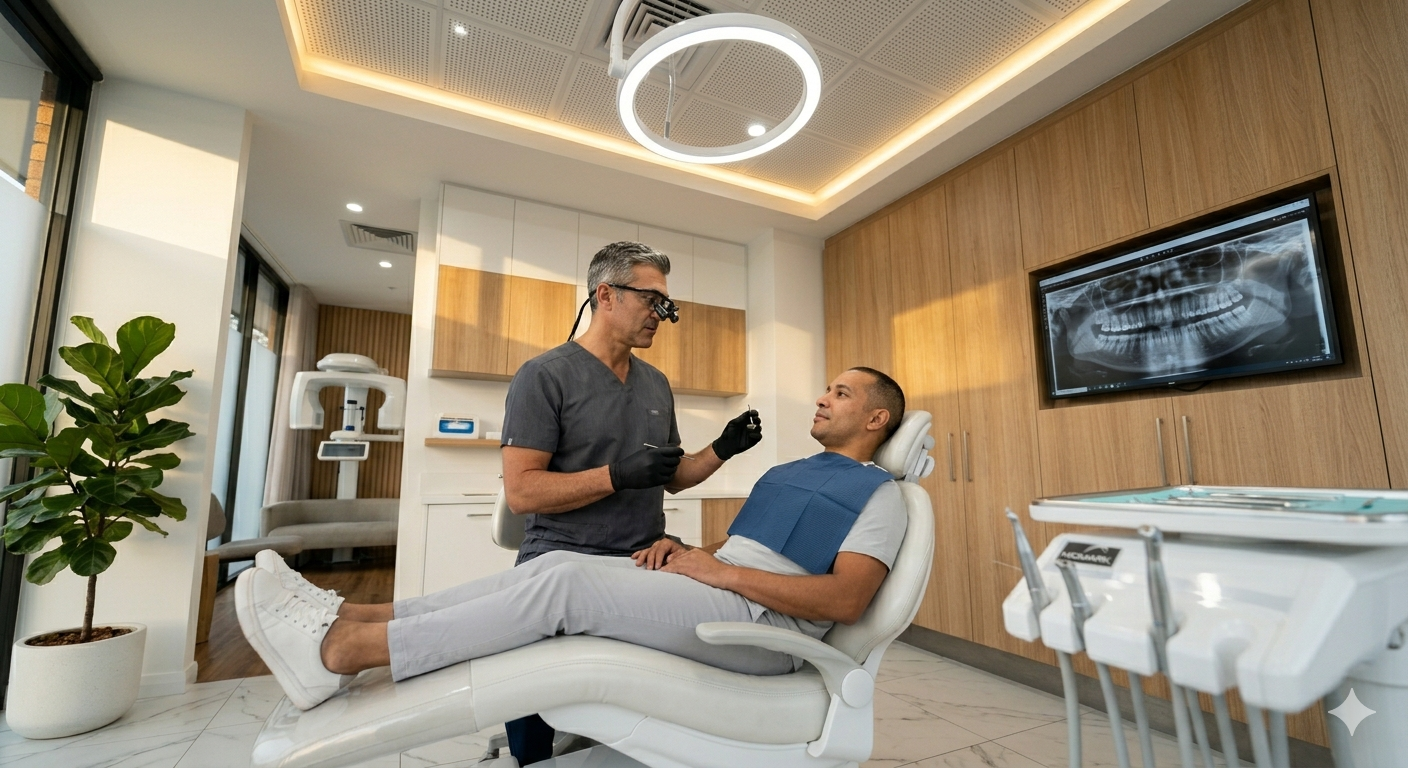
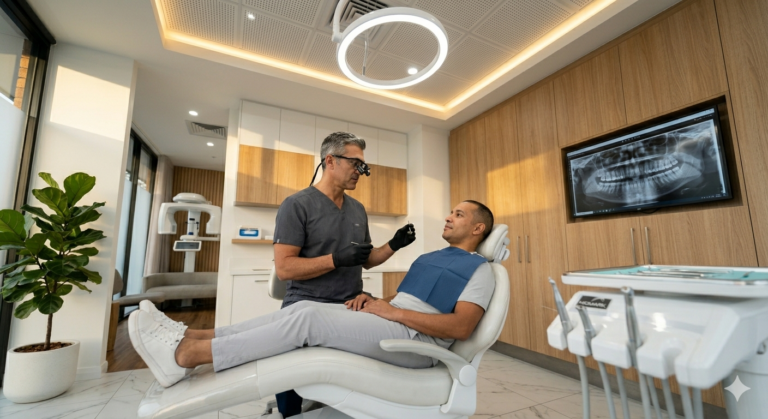
You face a dental emergency when pain, bleeding, a knocked-out tooth, or sudden swelling threatens comfort or function — act quickly to limit damage and protect long-term oral health. If you’re in Louisville, KY, knowing where to get fast, expert care can turn a crisis into a manageable problem.
This post guides you through what counts as a true dental emergency, the immediate steps to take, and how to access urgent care in Louisville so you can move from panic to practical action. It also explains common emergency treatments, how to help children in a dental crisis, when to go to the ER instead of the dentist, and simple preventive habits to reduce future emergencies.
You’ll find clear, practical advice on what to do in the first minutes after an injury, where to find same-day help in the city, and how follow-up care supports recovery and long-term dental health. Take these steps now so you can protect your smile and get the right care when seconds matter.
This section explains how to spot urgent dental problems, the most common emergencies people face, and clear signs that require immediate professional care.
Severe, uncontrolled pain that prevents sleep or normal activity often signals an infection or nerve injury and should not be ignored. Swelling of the face or jaw, especially if it affects breathing or swallowing, can indicate a spreading infection that needs prompt treatment.
Bleeding that won’t stop after 15–20 minutes of firm pressure may require emergency intervention to control blood loss. A knocked-out tooth needs action within an hour for the best chance of saving it; keep the tooth moist and see a dentist immediately. Sudden loose teeth, persistent fever with oral pain, or an injury that causes jaw misalignment also warrant urgent evaluation.
Tooth avulsion (knocked-out tooth): place the tooth back in the socket if possible, or store it in milk or saline and reach a dentist within 60 minutes. Fractured or chipped teeth: small chips can wait for same-week care, but deep fractures exposing pulp or causing severe pain require urgent treatment to prevent infection.
Abscesses and severe infections: present as throbbing pain, swelling, and sometimes fever; they need antibiotics and drainage plus dental repair. Soft-tissue injuries (tongue, lip, cheek lacerations): apply cold, clean the area, and seek suturing if bleeding persists. Lost crowns or large fillings that expose dentin can cause sensitivity and should be temporarily protected and seen promptly.
Seek immediate care if the person has difficulty breathing, swallowing, or speaking after a dental injury; these signs suggest airway compromise or severe infection. Visit an emergency dentist or the ER for uncontrolled bleeding, severe swelling extending to the neck or eye area, or signs of systemic infection like high fever, chills, or confusion.
For less dramatic but urgent issues—intense pain, a knocked-out tooth, or exposed nerve—contact a local emergency dental clinic in Louisville, KY, to arrange same-day care. If unsure, err on the side of prompt evaluation; early treatment reduces the risk of permanent damage and often simplifies repair.
Act quickly, stay calm, and focus on actions that preserve the tooth and control pain or bleeding. The steps below cover immediate first aid for knocked-out or broken teeth, practical pain control for severe toothaches, and safe handling of lost fillings or crowns.
If a permanent tooth is knocked out, pick it up by the crown — avoid touching the root. Rinse gently with saline or milk if dirty; do not scrub or use soap.
Try to reinsert the tooth into the socket using steady pressure. If reinsertion isn’t possible, keep the tooth moist by placing it in milk, saline, or the patient’s saliva. Use a cup or a denture box; avoid tap water for long storage.
Control bleeding with firm pressure using gauze or a clean cloth. Apply a cold pack to the face to reduce swelling. Seek emergency dental care within 30–60 minutes for the best chance of saving the tooth.
For a fractured tooth that still has root integrity, save any fragments and rinse with saline. Use a temporary dental cement or sugar-free gum to cover sharp edges and prevent tongue or cheek injury until a dentist evaluates the damage.
Severe tooth pain can indicate infection, cracked tooth, or exposed nerve. Rinse the mouth with warm salt water to reduce bacteria and gently floss to remove trapped debris between teeth.
Use over-the-counter analgesics such as ibuprofen or acetaminophen following label doses; avoid placing aspirin directly on gums or the painful tooth. Apply a cold compress to the cheek in 10–15 minute cycles to reduce swelling and numb pain.
If swelling involves the jaw, eye, or causes difficulty breathing or swallowing, seek immediate medical or emergency dental attention — facial swelling can signal spreading infection. Schedule urgent dental evaluation within 24 hours for persistent severe pain to diagnose abscesses, fractures, or pulp involvement.
When a filling falls out, clean the cavity gently with warm water and dry the area. Place temporary dental cement (available at pharmacies) or sugar-free gum into the cavity as a short-term protective measure.
If a crown comes off, retrieve the crown, rinse it, and inspect for damage. Try to seat it back onto the tooth using dental adhesive or temporary cement; avoid regular household glues. If it won’t seat or the fit is loose, store the crown in a clean container and bring it to the dentist.
Avoid chewing on the affected side and stick to soft foods. Contact a dentist the same day or within 48 hours to prevent further damage, sensitivity, or infection and to restore proper fit and function.
Patients need quick, clear steps to find care, understand what happens during a visit, and confirm payment options. This section lists practical actions and realistic expectations to reduce stress and speed treatment.
They should start with a targeted search: “emergency dentist Louisville KY open now” or use Google Maps with filters for “open 24 hours” and “emergency dental.” Downtown, Crescent Hill, and St. Matthews commonly have clinics offering same-day slots. Community health centers in West Louisville may provide urgent dental care on limited schedules.
Call ahead whenever possible to confirm availability, wait times, and whether the clinic accepts walk-ins. Keep a short list of two providers: one near home or work, and one near a major hospital like UofL Health for complex trauma. Save clinic phone numbers and directions in the phone for quick access.
Upon arrival, staff will triage by pain level, swelling, bleeding, and signs of infection to prioritize care. They typically take a brief medical history, perform a focused exam, and take X-rays if needed. Pain management often begins immediately with local anesthesia or short-term prescriptions.
Treatment can range from a temporary dressing, drainage of an abscess, tooth splinting, to an extraction or root canal referral. Clinics will explain follow-up care and give written post-treatment instructions. Patients should bring a list of medications, any allergy info, and a photo ID to streamline intake.
Most Louisville emergency clinics accept major dental insurance plans and Medicaid; confirm plan participation before the visit. For uninsured patients, ask about self-pay rates, sliding-scale fees at community clinics, and bundled emergency visit pricing to avoid surprises.
Many offices accept credit cards, CareCredit, and short-term payment plans; some will issue a procedure estimate before treatment. If a prescription is needed, check whether the clinic can use a preferred pharmacy to reduce out-of-pocket cost. They should request a written receipt and itemized bill to help with later insurance claims.
Patients can expect focused relief from pain and infection, plus fast repairs to restore chewing, speech, and appearance. Immediate care often combines medications, targeted procedures, and temporary measures to stabilize the tooth until a long-term plan is set.
Clinicians prioritize quick pain reduction and stopping bacterial spread. For severe toothache from abscess or deep decay, they often prescribe antibiotics such as amoxicillin or clindamycin and recommend NSAIDs like ibuprofen for inflammation and pain control. Local anesthetic blocks or topical gels provide immediate numbing during exam and treatment.
When an abscess is present, a dentist may perform incision and drainage in-office to relieve pressure, followed by root canal therapy to remove infected pulp and seal the canal. For patients unable to undergo definitive treatment that day, temporizing measures—such as placing a medicated dressing or using a temporary crown—protect the tooth and reduce sensitivity. Providers also check for signs of systemic infection (fever, swelling that limits breathing or swallowing) and refer to emergency medical services if necessary.
Restorative steps depend on damage extent: chips, cracks, fractures, or lost restorations require different approaches. Small chips and shallow fractures typically receive composite bonding or glass ionomer restorations that restore shape and function in a single visit. Larger cracks or broken cusps may need onlays, crowns, or, for severely compromised roots, extraction followed by implant or bridge planning.
When a tooth is avulsed (knocked out), immediate reimplantation within 30–60 minutes gives the best prognosis; clinicians will clean the socket, reposition the tooth, and splint it to adjacent teeth. For loose or mobile teeth from trauma, splinting stabilizes them while periodontal or endodontic healing occurs. Emergency dentists also replace lost fillings or crowns temporarily to prevent decay and restore bite, then schedule follow-up for permanent crowns, root canals, or prosthetic replacements.
Quick, practical steps can limit pain and protect a child’s developing teeth. Calm communication, immediate first aid, and timely dental care often make the difference between a short visit and a more complex procedure.
Knocked-out teeth: For permanent teeth, rinse gently with saline or milk, handle by the crown, and try to reinsert if the child allows. If reinsertion isn’t possible, store the tooth in milk or saline and get to an emergency dentist within 60 minutes for the best chance of saving it.
Chipped or fractured teeth: Small enamel chips may only need smoothing or bonding. Larger fractures exposing dentin or pulp cause pain and need same-day evaluation to prevent infection and to consider pulp therapy or crowns for long-term tooth health.
Toothaches and infections: Persistent, throbbing pain, swelling, or fever suggest infection. Parents should rinse the child’s mouth with warm salt water, avoid placing aspirin on gums, give age-appropriate pain relievers per dosing guidelines, and seek urgent dental care to treat abscesses or deep decay.
Loose primary teeth after trauma: If a baby tooth is loose but not causing severe pain or bleeding, monitor closely; avoid forcing removal. If mobility is high or the tooth risks swallowing or aspiration, an emergency dentist should remove it safely.
Use simple, honest language: Explain procedures with three short sentences max and compare sensations to familiar experiences like “a quick pinch” or “pressure.” Avoid detailed anatomy that can increase worry.
Create control and predictability: Let the child hold a toy, choose a flavor of rinse, or raise a hand to pause the procedure. Offering one choice at a time—“Do you want the blue or green bib?”—reduces anxiety and increases cooperation.
Comfort measures and behavior strategies: Practice deep breathing together, use distraction (cartoons, music), and apply topical numbing gels before injections when appropriate. For significant fear, discuss conscious sedation or nitrous oxide with the emergency dentist to keep the child relaxed and safe.
Communicate with caregivers: Teach parents to stay calm, explain what to expect, and how to do simple aftercare like cold packs for swelling. Clear written instructions and a follow-up call from the clinic help families feel supported and improve recovery.
Call the clinic promptly if swelling worsens, fever develops, uncontrolled bleeding occurs, or the child can’t eat or sleep due to pain.
Good daily habits and timely professional care significantly reduce the chance of sudden tooth pain, broken teeth, or infections. Focus on protective gear during activities and consistent dental checkups to catch problems early and avoid emergency visits.
Wearing a properly fitted mouthguard prevents many traumatic dental injuries during contact sports, skateboarding, and cycling. Athletic stores sell generic guards, but a custom-fitted mouthguard from a dentist provides superior fit, comfort, and shock absorption; patients should bring their sport schedule to the appointment so the lab can tailor thickness and material.
Children and adults with braces need special guards that accommodate brackets without crushing them. For nighttime tooth grinding (bruxism), a nightguard made from hard or dual-laminate materials reduces enamel wear and lowers risk of cracked teeth; dentists match design to the severity of grinding after a short exam.
Replace guards every season or after any significant impact. Inspect for tears, deformation, or odor; torn guards lose protection. Store guards in a ventilated case and clean them with cool water and non-abrasive soap after each use.
Scheduling dental exams every six months helps catch cavities, gum disease, and cracked teeth before they become emergencies. During visits, dentists use X-rays and visual inspection to find small fractures, deep decay near the nerve, and early abscesses that rarely cause pain until advanced.
Professional cleanings remove tartar that brushing alone cannot, lowering the risk of periodontal disease that can lead to tooth mobility and emergency extractions. If the dentist identifies a high-risk issue—large restorations, previous root canal, or heavy wear—they can offer targeted measures like sealants, fluoride varnish, or preemptive crowns.
Patients should report any new sensitivity, swelling, or odd taste between visits. Promptly addressing these signs with a focused visit often avoids urgent procedures and preserves more tooth structure.
For most toothaches, broken crowns, lost fillings, and minor dental trauma, the dentist is the right first call. The dental team can usually provide same-day or next-day care to relieve pain, repair damage, and prevent infection.
Call the emergency dentist if bleeding is controlled, there’s no severe facial swelling, breathing is normal, and the injury is limited to the mouth. They can manage knocked-out teeth (if the patient reaches the office quickly), severe pain, and infections before they worsen.
Go to the emergency room for uncontrolled bleeding, trouble breathing or swallowing, or major facial trauma. These symptoms may signal life‑threatening issues that require immediate medical stabilization and imaging.
If a patient is unsure, the dental office can often triage by phone and advise whether ER care is necessary. Many practices offer after-hours lines to guide patients and arrange urgent appointments.
Keep these quick checks in mind:
The dental team encourages patients to call with questions or symptoms; timely advice can prevent complications and help patients get the right care fast.
After an emergency visit, the dental team outlines a clear aftercare plan to support healing and reduce complications. They provide written instructions, prescribe pain control or antibiotics if needed, and schedule follow-up visits to monitor recovery.
Patients should follow practical home-care steps to protect treated areas. This includes gentle rinsing with saltwater, avoiding hard or chewy foods for a few days, and keeping medications on schedule to control pain and inflammation.
Restorative treatment often follows once tissues heal. Dentists may recommend crowns, root canal therapy, or tooth replacement options like implants or bridges to restore function and prevent further damage.
Preventive strategies reduce the chance of future emergencies. Regular checkups, prompt attention to minor symptoms, and personalized oral hygiene guidance help maintain long-term health.
A simple checklist helps patients stay on track:
Dental practices in Louisville emphasize comfort and modern techniques during recovery. They offer sedation options, digital imaging for precise planning, and patient education to make each step clear and manageable.
They encourage patients to ask questions and bring up concerns before leaving the office. Scheduling a follow-up consultation helps confirm healing and plan any restorative work needed to protect long-term dental health.
This section clarifies what qualifies as an urgent dental problem, practical steps to protect teeth and ease pain at home, when the emergency room can help, local options for same-day care, what to expect from urgent extractions, and Medicaid-friendly urgent dental resources.
True dental emergencies include uncontrolled bleeding, severe facial swelling that affects breathing or swallowing, a knocked-out permanent tooth, severe continuous pain that prevents sleep, and broken teeth with exposed nerve or large sharp fragments.
Problems that can usually wait include minor chips without pain, mild toothache that responds to over-the-counter pain relief, lost crowns that aren’t painful, and cosmetic concerns.
If a tooth is knocked out, handle it by the crown only, rinse gently without scrubbing, and try to reinsert—if possible—or store it in milk or saline.
For pain or swelling, apply a cold pack to the cheek, take ibuprofen if medically appropriate, and avoid placing aspirin directly on gums.
Emergency rooms can manage pain and prescribe antibiotics or analgesics for infections but rarely perform definitive dental procedures like root canals or extractions.
Patients usually need follow-up with a dentist within 24–72 hours for definitive care to remove infection sources or restore damaged teeth.
Several Louisville practices offer same-day appointments and extended evening or weekend hours; a few advertise 24-hour phone triage with on-call dentists.
Call ahead to confirm walk-in availability, accepted insurances, and whether the clinic has an on-call dentist for true after-hours emergencies.
The dentist will review medical history, take X-rays if available, and explain risks and alternatives before offering local anesthesia or sedation.
Post-extraction, providers prescribe or recommend pain control (NSAIDs, short opioid if necessary), give written aftercare instructions, and schedule a follow-up to monitor healing.
Many community dental clinics and federally qualified health centers in Louisville accept Medicaid for urgent services; private emergency clinics may have limited coverage.
Bring a current Medicaid card, a photo ID, and any relevant medical records or medication lists to speed registration and treatment.