

Visit Us At Our Other Location While We Are Remodeling!
Same GREAT Doctor, Team and Services. Visit us at Pleasure Ridge Park Dentistry

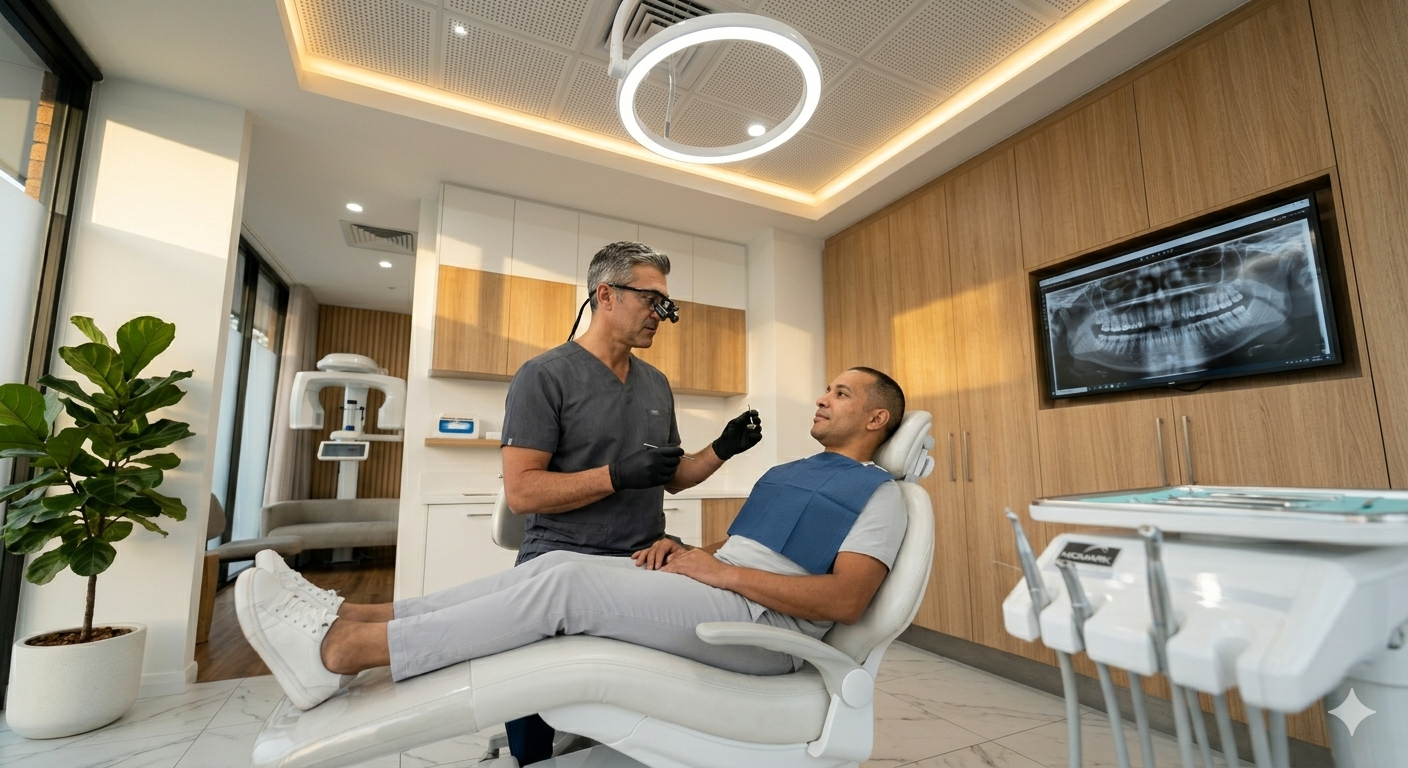
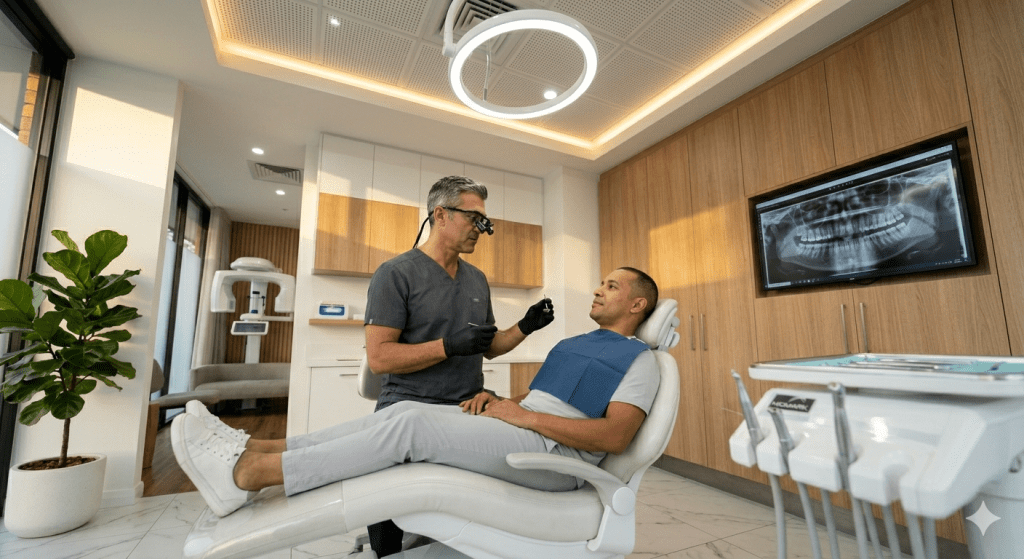
Dental implants in Louisville, KY, generally cost between $3,000 and $5,000 per implant, depending on factors like the type of implant and the patient’s specific needs. This price usually includes the implant, abutment, and crown, but additional procedures can increase the overall cost.
Many people choose dental implants because they offer a durable and natural-feeling solution for missing teeth. With advances in technology, dentists in Louisville can provide comfortable, customized care tailored to each patient’s mouth and lifestyle.
Understanding the costs involved helps patients plan better and avoid surprises. If someone is considering dental implants, consulting with a local dental expert is the best way to get a clear estimate and explore options.
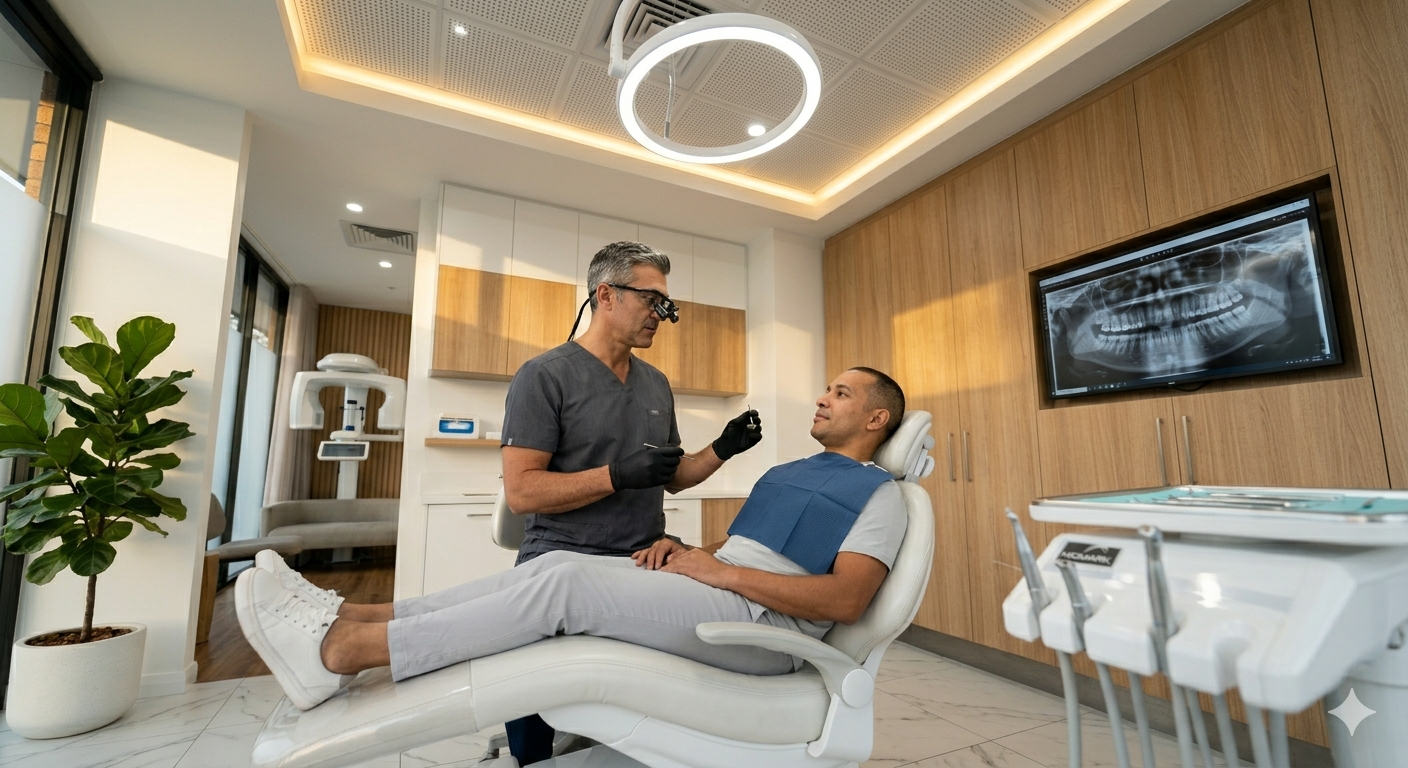
Dental implants are a common solution for replacing missing teeth. They offer a long-lasting and natural-feeling alternative that many patients find worth considering. Understanding what these implants entail, their advantages, and who benefits most helps patients make informed decisions about their oral health.
Dental implants are small titanium posts surgically placed into the jawbone to act as artificial tooth roots. Over time, the bone fuses with the implant in a process called osseointegration, providing a stable foundation for crowns, bridges, or dentures.
The implant itself is not visible after placement. A custom-made crown attaches to the implant, matching the color and shape of natural teeth. This setup restores both function and appearance, allowing comfortable chewing and speaking like natural teeth.
Unlike dentures, implants do not slip or require adhesives. They work with the jawbone to maintain facial structure, preventing the bone loss that often follows tooth loss.
Dental implants provide several advantages over bridges and dentures. First, they last much longer—often decades—when properly cared for. This durability reduces the need for frequent replacements or adjustments common with other options.
They also protect adjacent teeth since implants don’t rely on neighboring teeth for support. Bridges, by contrast, involve reshaping healthy teeth, which can weaken them over time.
Implants offer greater comfort and stability. Unlike dentures, which may cause irritation or slip during eating, implants feel like natural teeth. Patients typically find they can taste food better and speak more clearly.
Finally, implants help preserve the jawbone. Their presence stimulates bone growth, preventing the bone shrinkage that occurs with missing teeth and some alternatives.
Good candidates for dental implants generally have healthy gums and sufficient jawbone to support the implant. Adequate bone density is crucial to anchor the titanium post firmly.
Candidates should also be committed to maintaining oral hygiene and regular dental visits. Gum disease and smoking can increase the risk of implant failure.
Certain medical conditions like uncontrolled diabetes or immune disorders may require special evaluation before implant placement. Age is less important than overall health, as many seniors successfully receive implants.
A thorough dental exam, including X-rays and possibly CT scans, helps determine if implants are feasible. If bone loss exists, bone grafting procedures can sometimes restore enough bone to support implants.
Patients are encouraged to discuss their full medical history and lifestyle habits openly to ensure the best treatment plan.
Several key elements shape the price of dental implants in Louisville, KY. These include the kind of implant chosen, the number of teeth being replaced, and the health of the jawbone and gums. Each factor has a direct impact on both treatment complexity and overall expense.
Dental implants come in different types, mainly categorized by the material and design. The most common are titanium implants, known for durability and compatibility with bone. Zirconia implants offer a metal-free option, often preferred for cosmetic reasons or metal sensitivities, but they can be pricier.
The implant’s size and shape also affect cost. Single-tooth implants usually cost less than implant-supported bridges or full arch replacements. Mini implants, smaller and less invasive, might be cheaper but are not suitable for all cases. Choosing the right type depends on the patient’s anatomy and goals, which a dentist will help determine.
The number of teeth that require replacement plays a significant role in overall cost. A single implant is less expensive than multiple implants, as each implant requires surgery, materials, and associated dental work.
For several missing teeth, implant-supported bridges or dentures reduce the number of implants needed, balancing function and cost. Pricing also varies if you need additional procedures such as crowns or abutments for each implant, which add to the final bill.
The bone and gum health in the implant area greatly affects treatment and cost. If the jawbone lacks sufficient density or volume, bone grafting might be necessary before implant placement. Grafting adds time, cost, and recovery to the process.
Healthy gums are essential to support the implant and prevent future problems. Gum disease or infection must be treated prior to implantation to ensure success. Patients with good bone and gum health usually experience fewer complications and lower costs.
Dental implant treatment involves several important steps that affect both the timeline and the overall cost. Patients should expect a thorough evaluation, potential preparatory work, and a carefully planned surgical procedure to ensure long-term success.
The process begins with a detailed consultation where the dentist reviews the patient’s dental history, current oral health, and goals. Advanced imaging like 3D CT scans or digital X-rays helps assess bone density and structure, which are critical for implant placement.
This initial visit typically costs between $100 and $300 in Louisville, KY. The dentist uses these images to create a customized treatment plan, discussing options and expected costs based on individual needs. Accurate diagnostics reduce unexpected expenses later by identifying problems early.
Some patients require preparatory procedures before implants can be placed. Common preparatory steps include bone grafting, sinus lifts, or treating gum disease. These procedures improve the implant site’s condition and ensure stability.
Bone grafts in Louisville can add $300 to $3,000 to the total cost depending on the complexity. These are crucial if there isn’t enough bone to support the implant. The dentist will explain if this step is necessary and how it impacts healing time and final expenses.
The surgical placement of dental implants is a precise procedure usually performed under local anesthesia. It involves inserting titanium posts into the jawbone, which acts as a sturdy foundation for replacement teeth.
In Louisville, expect surgery costs to range from $1,000 to $3,000 per implant. This fee covers the implant itself, the surgical procedure, and initial follow-up care. Additional expenses may include the abutment and crown, which complete the restoration. Many dental offices offer payment plans to make this investment more manageable.
The cost of dental implants in Louisville, KY, covers several key components that ensure a successful and lasting result. It’s helpful to understand what you’re paying for so you can make an informed choice about your dental care.
The total price generally includes the initial consultation, imaging (like X-rays or CT scans), the surgery itself, and the implant device.
Other possible charges might involve tooth extraction if necessary, bone grafting to strengthen the jawbone, and the placement of the abutment—the connector between the implant and the crown.
Some clinics also include the crown, the visible tooth replacement, but sometimes it’s billed separately. It’s important to confirm what’s bundled in the price or itemized separately to avoid surprises.
Dental implants are usually made from titanium or zirconia, materials known for their strength and biocompatibility. Titanium is most common because it fuses well with the jawbone, ensuring stability.
The crown material varies—porcelain is popular for its natural appearance, while metal crowns offer extra durability in certain cases.
Higher-quality materials may increase the cost, but they also help offer a comfortable fit and a longer-lasting smile.
The quoted price often includes follow-up appointments to monitor healing and ensure the implant integrates correctly with the bone.
Regular aftercare may involve professional cleanings and check-ups, which are essential for implant health.
Some providers also offer guidance on daily care and habit adjustments to protect the implant over time, which helps maintain both comfort and function.
Talking to your dentist about what aftercare is included can provide a clearer picture of ongoing commitments and costs.
Understanding how to manage the cost of dental implants can make the process less stressful. Many patients explore insurance coverage, financing plans, and tax-advantaged accounts to find a payment method that fits their budget.
Dental insurance often covers only part of the implant procedure. Typically, insurance may pay for preliminary exams, X-rays, and sometimes the crown but not the implant fixture itself. Patients should check with their specific plans, as coverage varies widely.
Some policies classify implants as elective procedures, limiting benefits or applying waiting periods. It’s important to verify annual maximums and any deductibles that apply. Many Louisville providers will assist in pre-authorization to clarify what portion insurance will cover before treatment begins.
Many dental offices in Louisville offer financing options to help spread out implant costs over time. Popular plans include low-interest or interest-free payment arrangements through third-party companies. These often allow flexible monthly payments tailored to the patient’s budget.
This option makes implants more accessible by avoiding large upfront payments. Patients should compare terms, including interest rates and repayment periods, and confirm no hidden fees. Financing can cover the entire implant process, from consultation to final restoration.
Health Savings Accounts (HSA) and Flexible Spending Accounts (FSA) let patients use pre-tax dollars for dental implant expenses. These accounts reduce taxable income, effectively lowering the cost of treatment.
Eligible expenses usually include implants, crowns, and related procedures. It’s key to keep receipts and submit claims properly to maximize benefits. Patients can use either account for implants, but HSAs typically roll over year to year, while FSAs may have spending deadlines. This makes planning ahead essential.
Dental implant prices in Louisville can differ a lot depending on the clinic’s approach, materials, and expertise. Patients should consider multiple factors beyond just the price to get the best value and care tailored to their needs.
In Louisville, dental implant costs usually range between $2,000 and $4,500 per implant. Differences come from the type of implant used, the experience of the dentist, and whether additional procedures like bone grafts are needed. Clinics closer to downtown or premium areas often charge more, reflecting higher overhead costs.
Some practices offer package deals that bundle consultation, surgery, and follow-up visits into one price, which can save money. Financing options and insurance acceptance also vary, which can impact the total out-of-pocket cost. It’s wise to ask for a detailed quote upfront to avoid surprises.
Choosing the right provider means looking beyond just the fee. Patients should check the dentist’s credentials, how many implants they’ve placed, and patient reviews. A good provider uses modern technology like 3D imaging to ensure precise implant placement and fewer complications.
Comfort during treatment is key, so clinics that offer sedation options or a calming environment may ease anxiety. Clear communication about what to expect, recovery times, and potential risks also matters for a smooth experience. Ultimately, a trustworthy provider balances skill, care, and fair pricing.
Dental implants offer more than just a quick fix for missing teeth; they provide lasting benefits that impact daily life and oral health. Their strength and ability to mimic natural teeth make them a smart long-term investment.
Dental implants are made from titanium, a metal known for its durability and compatibility with the body. When properly cared for, implants can last 20 years or more, often a lifetime. This is much longer than traditional dentures or bridges, which may need replacement every 5 to 10 years.
Regular dental visits and good oral hygiene are vital to keep implants secure and prevent issues like gum disease. Because implants are anchored directly into the jawbone, they also avoid the wear and tear that removable dentures face.
Implants help maintain jawbone health by stimulating the bone where the tooth root once was. This prevents bone loss, a common problem after losing natural teeth. Unlike bridges, implants do not rely on neighboring teeth for support, which means healthy teeth stay untouched.
This preservation of bone and teeth supports overall facial structure, reducing the risk of premature aging and keeping the smile looking natural. Implants also make it easier to clean between teeth, promoting better long-term oral hygiene.
With implants, patients regain full chewing ability, allowing them to enjoy a wider variety of foods. This improves nutrition and digestion, which is often compromised by missing teeth or dentures.
Speech clarity also improves, as implants stay firmly in place and don’t slip like dentures can. Many patients report feeling more confident in social situations since they don’t have to worry about their teeth shifting or falling out.
If you’re considering dental implants in Louisville, KY, talking to a local expert can help clarify costs and specific benefits for your situation.
Choosing dental implants is a big decision, and it starts with a personalized consultation. During this appointment, the dentist will review your dental health, discuss your needs, and explain the options available for your smile.
Before the procedure, they will take X-rays or 3D scans to assess bone structure and ensure the best fit. This step helps tailor the treatment plan—and the cost estimate—specifically for you.
What to expect at the consultation:
Many dental offices in Louisville offer flexible payment plans to make implants more affordable. Patients are encouraged to ask about financing, insurance coverage, and any available discounts during this visit.
Taking this first step means gaining confidence in the process. A clear plan helps reduce anxiety and makes the path toward a healthier, natural-looking smile smoother.
Scheduling a consultation is easy and worth the peace of mind. He or she can contact the local dental office to set up an appointment and start the journey toward improved dental health.
Dental implant costs can vary based on several factors—from the type of implant needed to additional procedures like bone grafts. Understanding what’s typically included in treatment and exploring payment options can help patients plan better.
A single tooth implant in Kentucky generally costs between $3,000 and $5,500. Prices vary due to factors like the complexity of the case, need for bone grafting, location of the tooth, and the type of crown used.
Most implant quotes include the initial exam and 3D imaging. Some may cover tooth extraction and bone grafting, but often these are additional fees. The abutment and crown are usually itemized separately.
Many dental offices in Louisville offer financing plans or work with third-party lenders. Some practices provide in-house payment options to spread out costs without interest. It’s best to ask about discounts or seasonal promotions too.
Full-mouth restorations typically range from $20,000 to $50,000 depending on the number of implants and crowns needed. An All-on-4 solution often costs less, around $15,000 to $30,000 per arch, because it uses fewer implants.
Dental school clinics often offer implants at reduced rates. Treatments may take longer since students are learning under supervision, and scheduling may be less flexible. However, care is guided by experienced faculty.
Yes, implants provide better stability than traditional dentures by anchoring directly into the jawbone. They improve bite force and make chewing easier. Many patients report increased comfort and confidence with implants.